

Walk down almost any older city block and you'll spot them: the side-by-side duplex with a shared front porch, the row of three townhomes tucked between two ranch houses, the small apartment building with six units and a courtyard. These are examples of middle housing — and they're quietly becoming one of the most important tools cities have to address the housing shortage.
Middle housing refers to residential building types that fall between a detached single-family home and a large apartment complex. That includes duplexes, triplexes, fourplexes, townhomes, ADUs, and small courtyard apartments. They're designed to fit into existing neighborhoods — same lots, same streets, same character — while adding more homes where people actually want to live.
So Why "Missing"?
For most of the 20th century, zoning laws pushed cities toward two extremes: single-family homes on one end, large apartment towers on the other. The housing types in between — the ones that made older neighborhoods feel walkable, neighborly, and diverse — were essentially zoned out of existence.
The result? A gap. A "missing middle" that left families with few affordable options, pushed growth to the urban edges, and made it harder for people to live near jobs, schools, and transit.
What's Changing Now
Cities are catching on. From Portland to Chicago to right here in Washington State, local governments are rewriting zoning codes to allow — and actively incentivize — middle housing in established neighborhoods. In Portland, average sale prices for new middle housing came in roughly $200,000 lower than comparable new single-family homes, making homeownership more attainable for moderate-income buyers.
Infill development — building on underused or vacant lots within existing city limits — is the engine behind much of this growth. Instead of expanding outward and consuming farmland or greenspace, infill puts new homes where infrastructure already exists: streets, utilities, transit routes, and schools.
The Civil Engineering Behind Every Infill Project
What looks simple on the surface — a duplex on a vacant corner lot, a fourplex replacing a teardown — involves serious technical groundwork before a single foundation is poured.
Every infill project in a city over 25,000 in population requires a thorough drainage plan to manage how water moves across and off the site. Unlike greenfield development where engineers start with a blank slate, infill sites sit within established drainage patterns, aging utility networks, and impervious surfaces that already stress city stormwater systems.
That's where stormwater design becomes critical. A well-engineered stormwater system doesn't just satisfy permit requirements — it protects neighboring properties, prevents erosion, and keeps your project on schedule and out of costly compliance issues. Poor stormwater planning is one of the most common reasons infill projects face delays, redesigns, or outright rejection from city review boards.
Good civil engineering ties it all together: grading, utility connections, site access, and stormwater management working as a coordinated system tailored to the unique constraints of an urban infill lot. It's not glamorous, but it's what separates projects that break ground on time from projects that stall in permitting.
What Does It Look Like in Practice?
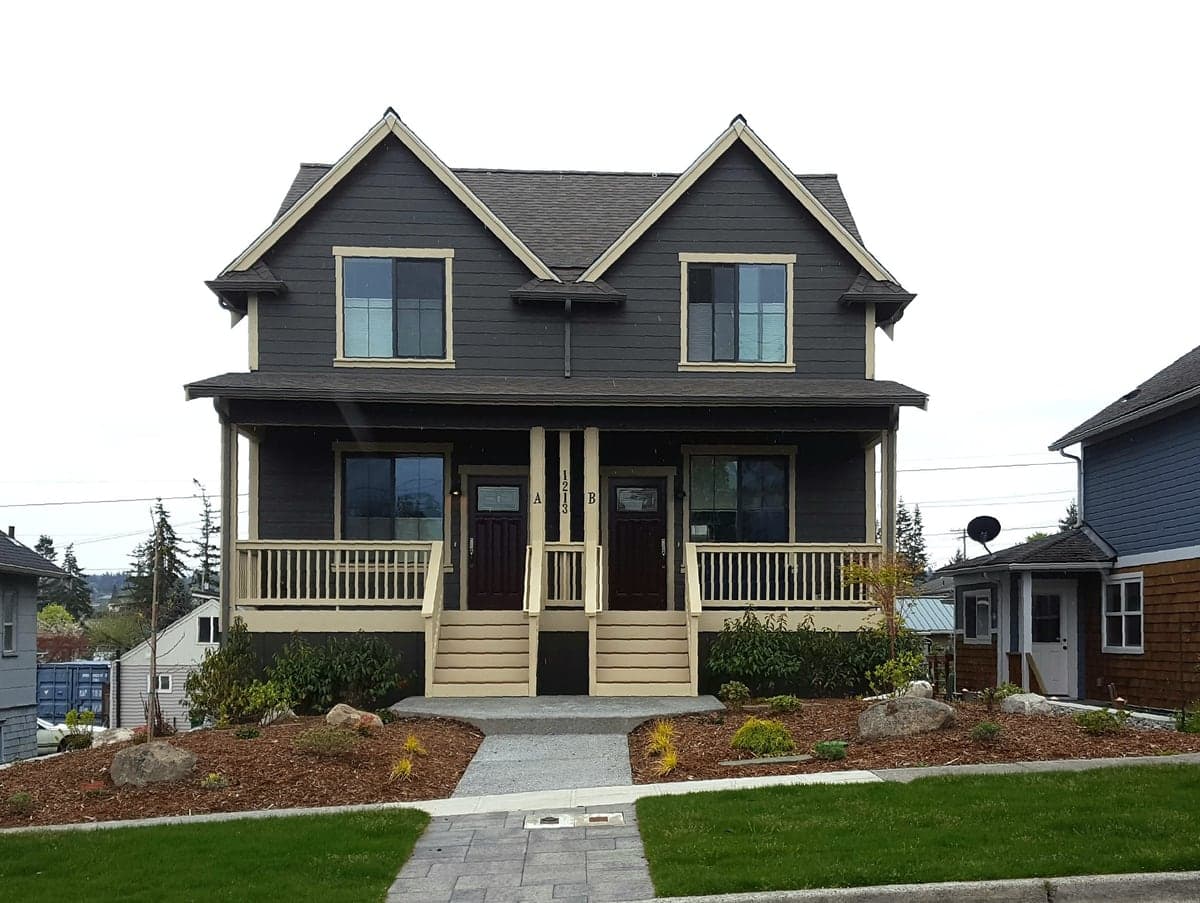
Middle housing doesn't look like a housing development. That's kind of the point. A well-designed duplex is nearly indistinguishable from the single-family homes around it. A courtyard fourplex can enhance a block's character with landscaping, shared outdoor space, and architectural detail you'd never find in a suburban subdivision.
These aren't stopgap measures. They're a return to the way cities naturally grew before mid-century zoning stopped them — and smart civil engineering is what makes that growth possible on today's urban lots.
Why It Matters to You
Whether you're a developer exploring your first infill project, an architect designing middle housing for a city client, or a property owner sitting on a vacant lot — the path from concept to permitted construction runs through careful site engineering.
More homes on infill lots means more neighbors supporting local businesses. It means adult children who can afford to live near their parents. It means teachers, nurses, and firefighters who don't have to drive 45 minutes to serve your community. But none of that happens without a drainage plan that works, stormwater design that meets city standards, and civil engineering that gets the details right the first time.
Ready to Move Your Infill Project Forward?
We work with developers, architects, and property owners on middle housing and infill projects throughout the region — from initial site feasibility through final stormwater and drainage approvals.
Don't let permitting bottlenecks slow your project down. Request a proposal today →